
News and Updates: GMOs
Farmers from the Ernesto Che Guevara settlement in the state of Mato Grosso do Sul sow 100 hectares of poison-free soy
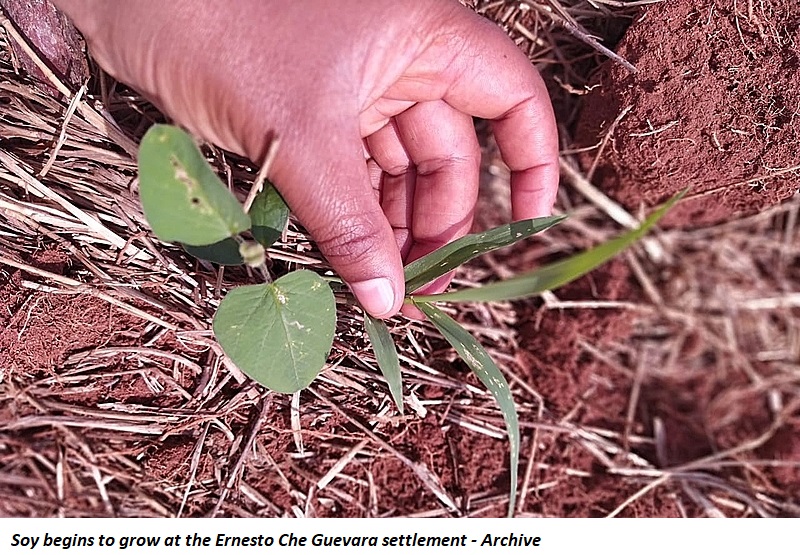
Farmers from the Ernesto Che Guevara settlement, of the...
The continuity of the coup government of Michel Temer and of his parliamentarians in the Congress is one of the negatives points of this year.

The question that prevails is: What to expect of 2018?
Every...
 Despite the apparent health risks, consumers know very little about what they are consuming and the industry insists that there is a "safe level" for...
In his book Altered Genes, Twisted Truth, US public interest attorney Steven Druker exposed the fraudulent practices and...
The court sentence, given by Judge Pedro Ivo Moreiro, of the 1st Civil Court of Cascavel, was  published in the Paraná State Official Gazette this Tuesday (November 17, 2015). The sentence rules that...
This Tuesday, Abrasco published its new report on the reality of agro-toxins in Brazil. In this 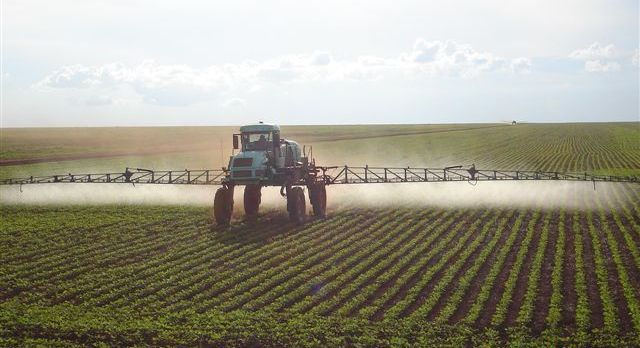 article, Alan Tygel talks about the issue.
By Alan Tygel, published in
In early 2011,...
The actions are part of the National Day of Struggle of Peasant Women in denouncing the agribusiness model
...
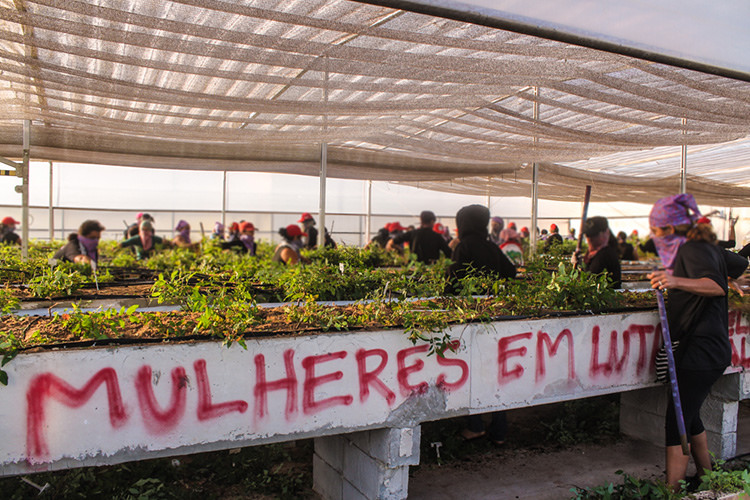 Through synchronized actions, social movements block the legalization of genetically modified Eucalyptus
Though only a partial victory, the organizations involved have managed to make ...
Whoever thinks of agribusiness and imagines large estates producing food for Brazil’s refrigerators is gravely mistaken. What the television doesn’t tell us is that agribusiness is a form of...
 The year 2013 won’t be missed by the Landless throughout the country. Regarding the struggle for land, the balance is positive, due to the demonstrations, marches and...