
Friends of the MST
Home
  • Home
  • About Us
  • About the MST
    • History of the MST
      • Story of the MST - Part I
      • Story of the MST - Part II
      • Story of the MST - Part III
    • Objectives of the MST
    • Need and Basis for Agrarian Reform
    • MST Sectors and Collectives
      • Communications
      • Culture
      • Education
      • Gender
      • Health
      • Human Rights
      • International Relations
      • Production
      • Youth
        • Sem Terrinha - Children of the MST
    • Program for Agrarian Reform
      • People's Agrarian Reform: An Alternative to the Capitalist Model
      • Platform of Via Campesina for Agriculture
      • The Impact of the 6th Congress: Interview with Kelli Mafort
    • Florestan Fernandes National School
      • History of ENFF
      • ENFF Dormitory Project
    • The MST and the Environment
    • The MST Flag
    • The MST Anthem
  • Get Involved
    • Local Chapters
      • Bay Area Chapter
      • Boston Chapter
      • Chicago Chapter
      • New York Chapter
      • Other Chapter Inquiries
      • Washington DC Chapter
    • Volunteer to Translate
    • Organize a House Party or Film Screening
    • Host an MST Leader
    • Work, Study and Travel in Brazil
  • News + Updates
  • Links + Resources
    • Research Papers
    • Videos
  • Donate
  1. Home
  2. Information on the Sixth Congress

Information on the Sixth Congress

The Sixth Congress has as its principal function the final ratification of the policies to guide the MST in the next five year period.  These policies were discussed and debated first, in each settlement, then, by representatives at the state level and now, at the national level. Many of the policies have been agreed to, including the slogan to guide the next period:
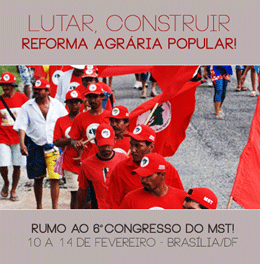
 

sixth congress


STRUGGLE, BUILD A PEOPLE’S AGRARIAN REFORM!


What is a “people’s agrarian reform?” Generally, it consists of three elements:

1.  To develop an agricultural model based on agro-ecology rather that agro-business, i.e. sustainable agriculture that respects the land (non-use of agro-toxins and petro-based chemicals).

2.  To advance forms of cooperation based on food sovereignty, cooperative forms of production and the process of agro-industrialization (i.e. processing agricultural products into various consumable forms – sugar and cachaça from sugar cane or yogurt products from milk) in order to capture the added value.

3. To transform agrarian reform settlements into a political force by ecological integration between the countryside and the cities by, for example, providing food to urban schools or providing healthcare in the countryside.

Go to the MST's website to view a history slide show HERE.


Support the MST!

DonateNow

Subscribe to our e-newsletter!

Sign Up Now

 
Powered by Backdrop CMS

Friends of the MST  |  P.O. Box 47585  |  Chicago, IL 60647  |  info@mstbrazil.org


Visit the MST's portuguese website.


Visit us on FaceBook.


Login | Logout


Privacy Policy