
"2013 is the worst year for Agrarian Reform,” says João Paulo Rodrigues Chaves
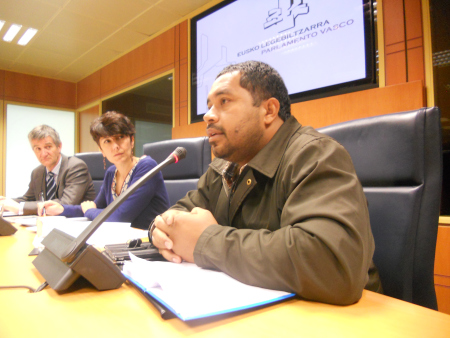 The year 2013 won’t be missed by the Landless throughout the country. Regarding the struggle for land, the balance is positive, due to the demonstrations, marches and occupations of land and public buildings that occurred almost throughout the year.
But when referring to Agrarian Reform policy, almost nothing has been done, and in many cases the government walked backwards. This is the assessment of João Paulo Rodrigues Chaves, from the national coordination of the MST, on the agrarian policy stimulated by the federal government during all of this year.
As Rodrigues stated, something that has always been bad in this government became even worse. “So far, only 159 families were settled around the country. It's a shame. There were 10 properties expropriated by the Dilma government. Worse than the last military government of General Figueiredo, when 152 properties were expropriated," he says.
Check out the interview:
 by Joao Pedro Stedile, National Coordination of the MST
 Last Tuesday morning (10/15), 5000 peasants, members of the MPA (The Small Farmers Movement), occupied Monsanto’s 36th Research Unit located at the Nilo Coelho irrigation district in Petrolina, in the northeast of Brazil.
 On Friday July 5, rural organizations and social movements met with President Dilma Rousseff in the Planalto Palace in Brasilia. They demanded more flexibility and less bureaucracy in carrying out policies in the countryside. “It is necessary and urgent for the government to get rid of bureaucracy.
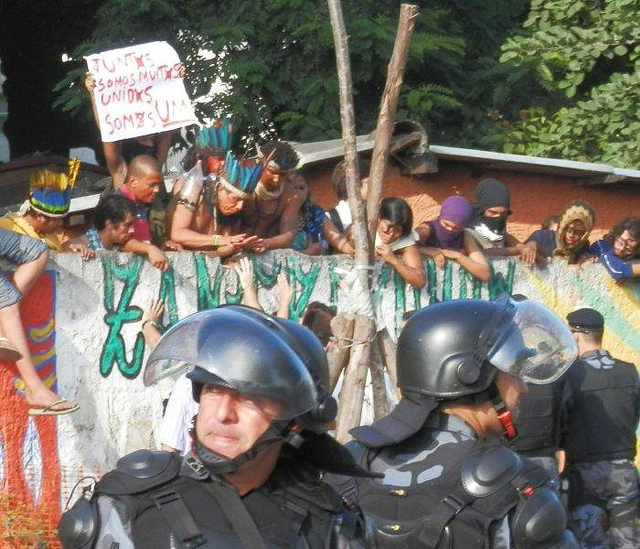 o do Sul in defending their territories and against the appropriation of land by agribusiness.
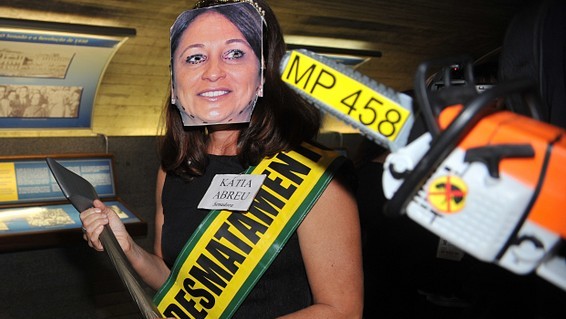 agriculture ministry of President Dilma Rousseff.